A Biker Slammed a Boy’s Model Train Case Shut, Then the Station Attendant Saw What Moved on the Track
Part 2
“That car is moving,” Mae said.
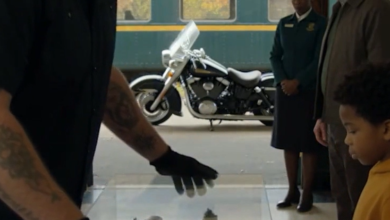
Raymond Bishop kept both hands on the table he’d pulled back from the edge. He watched Mae bring her radio to her shoulder while she motioned the families through the waiting-room doors. Noah had his palms on top of the case because he was afraid the little train might have come off the rails under the glass. He looked where everyone else was looking, at a painted metal step on the real car that used to be across from a strip of tape on the platform. The real step had moved nearly the width of a child’s shoe.
The platform attendant asked Nolan, the teenage volunteer, to move the end of the line farther inside the building and keep everyone off the edge. She radioed the crew assigned to the equipment and stayed with the departing families. From the waiting room, Raymond could see employees from the rail side get into position. They kept people well out of their way. When they signaled the coach was secure again, nobody came back to the platform until Mae told them which door they could use.
Glen Dailey, the station events manager, stepped through the people waiting by the threshold. He looked down at the photograph he had been carrying around for the award and told anyone close that the model club’s setup had taken a bump. He asked Raymond to put the table back when he was done. The children’s line ran through a low space between the first row of chairs and the windows. Raymond kept the table clear of it.
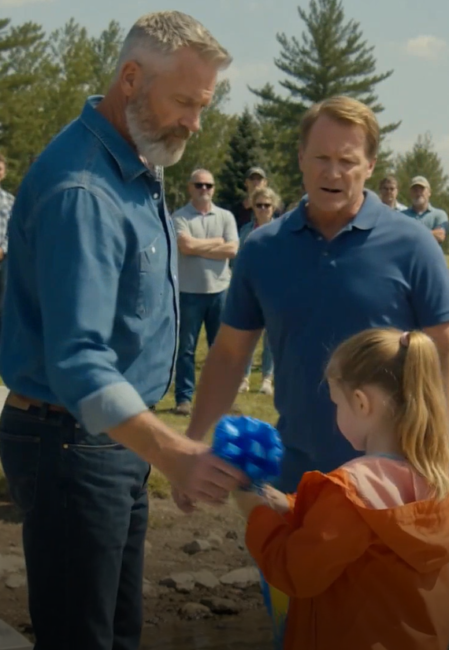
Noah’s father came out of that line with a cardboard drum he meant to put inside the model case. The boy asked him to let him see whether his train had been damaged. Raymond found an empty section of wall well away from the platform door. He put the table against it, lifted the acrylic cover, and watched Noah reach under it to touch the little car he’d spent most of a day getting onto its rails.
“It’s still where you left it,” Raymond said.
Noah rested his fingers beside the rear car. It ran one short distance, then stopped. He didn’t look like he wanted to close the case again just yet.
Outside the chain at the platform door was already up, waist high for adults and close to Noah’s shoulders. Mae came back in and glanced along the line for the portable barrier she’d put up first thing in the morning. Its wheels were wide enough that people had to bring their left foot in very close to get past it. She’d expected to come back to it still resting at both posts. The place where it had been was bare except for two curved tracks in the dust.
Glen asked her if she might have stowed it when the guests came in. Mae took her radio down from her shoulder before she answered.
“I went to find it twice after you moved it,” she said.
Part 3
Raymond had worked rail yards before he started repairing the sort of instruments hobbyists used to make small wheels look right. He still rode over in his old jacket with the knuckles of his gloves faintly grayed from the work. One of the men he rode with called him Rail. A patch with an unnamed black bear ran almost from shoulder to shoulder. It was big enough that Noah could see it around the side of a porch post when Raymond came down to measure the ramp on the model platform he was building.
Noah had decided he wanted twelve people waiting for the little train. He’d cut rough figures out of a thin sheet of basswood and painted two of them with coats the same blue. He wanted the family to see how the paint changed when the two figures went under a station lamp at the exact same moment. He did not yet know there was supposed to be a different size of lamp outside. Raymond brought over two that looked as if they worked on a desk and found the boy liked the smaller one because he’d made a little window for it himself.
Noah’s father taught a Saturday art group at the library. He carried sharpening tools laid out in a row and did the first pencil for everyone else before he did his own. In the fall Noah brought his model to the group and asked which side the station roof needed a gutter. People offered five different answers before he set the roof on a piece of brown paper and made the thing he’d been picturing the whole time. On the day of the award, Raymond gave him a hand taking down a work light at home so they could get the display out through the front door.
A flashlight with a worn rubber grip rode with Raymond in the left saddlebag. It was too heavy to use on the small model and the loose switch made a click that he could hear in a loud kitchen. His friend Leon had used it on evening jobs in the yard when the lights by a platform came on late. Leon would pick out the path where the next person had to set a foot instead of showing the person what he could see at eye level. He clipped the lanyard to the side of the motorcycle case Raymond used for bringing lunch. That was where it still was on the day Leon died when a car in an area marked out of service moved.
Raymond used to see an evaluation poster with the word secure in it every time he came in for a shift. For a long while he had never needed to ask which person last made that call. When the investigating officer spoke to him, he learned the last person who had checked it was working on a different side of the yard. Leon went to do a job somebody else thought could start because the new paperwork had reached an office.
That was what Raymond remembered when he saw the real car’s lower step slide past the pavement tape. Sometimes paint and old photographs could fool your eyes. Paint moving against the edge of a building stayed wrong whether he could explain it before the next child finished a turn. He’d slammed the model’s protective cover closed after Noah pulled his hands back. Then he moved the table and watched for the attendant.
The photographer came over after Noah got the little rear car back in place. She asked Raymond whether he could meet her near the gift shop after the families left. Glen was telling visitors that Mae had put the barriers away because somebody asked her to help another group. The photographer kept her voice low.
“I got a message saying where he wanted all that stuff before I got here,” she said.
Part 4
Her name was Lila. She had been hired to take pictures of the children’s entries because the station wanted to build a print calendar for the next year. She’d sent a drawing of the platform with a mark where she expected to stand. Glen wrote back that the committee had a donor who wanted the real coach behind the little displays. He offered to have the furniture shifted before they came through. When she showed up he said he’d taken the metal barrier away because it came up in every photograph at the very bottom of the frame.
Lila met Mae by the station wall in front of an empty display hook. Mae told her she had placed the stage tape behind the barrier in case volunteers were getting the table feet even. When she came back from the station restrooms, the tape was on the inside of the cleared strip and began less than half an arm from the edge. She tried to get a radio response from Glen and was told to hang on a second while he got a person out of a reserved parking space.
The status of the real coach had been discussed the prior week, a mechanic named Oliver explained. It could stay where it was until routine work was finished. He filed a hold after a report of movement in the equipment queue. Glen wanted the volunteers to feel confident walking the platform with families while the real coach stayed in the picture. He asked Oliver how long he wanted to keep the platform clear. “Until they call me to tell me what they did,” Oliver said he had answered.
When photographic staff on the other side of the building received the floor plan, it showed a clear platform from waiting room to award line. The original plan stored by the facilities crew still showed a separated exhibit and a line of barriers. Glen had offered to adjust tape after he knew what a special angle needed. Lila showed both diagrams to Raymond and asked whether he’d ever put up a red piece of tape to mean people should move closer on an open platform. Raymond could hear the meaning she put into the word person. He shook his head and asked her to send the two versions to the station board.
Glen posted a few pictures of the model case coming down. He said the ceremony stalled after a participant broke a display the children had been warned to handle gently. Underneath the picture, a caption asked whether violence at community events ought to be taken seriously even if an adult understood what he was doing. Raymond had taken one of the model makers home after the show. The man’s daughter saw him on the feed and called to say she’d picked up Noah’s poster so the child would get the chance to keep it.
Then Glen sent a message to Noah’s father. The club could still pick a date to receive its medals in a small group if they agreed that the interruption did no damage to any real equipment. He attached a simple signature line. Noah read the words real equipment when his father left the message open on his kitchen tablet. He asked what would happen if he had seen something move and the man who wrote the letter was the one who had told him to stand there in the first place.
Raymond’s friend’s flashlight was on the workbench when Noah brought that question next door. The end of its beam left a spot on the wall the size of a matchbox. Noah stood under it, holding on to three little train wheels he had taken out of the case before he realized somebody was going to want to see where they had come from.
Part 5
The station’s maintenance committee wanted a copy of the platform record from the minute when the public entered. Mae gave them the signed first version with a note that access paused until the rail crew confirmed the restriction was lifted. Glen’s copy came from a shared drive. It showed a new check beside the entrance line. The first version recorded an available platform because there was enough room behind the barrier for people to stand. The note about the barrier had disappeared from the new one.
Oliver knew who could help identify the copy. A volunteer who tracked tours had saved a paper version after someone wanted to bring a stroller through a different door. She had called Mae to check which side was open at the time and written in the answer. The fact that she’d made the call was on Mae’s radio log as a time check. At a little past noon a guest had seen an arm lift the barrier to swing it around the corner. If they could establish who removed it, all of those things helped assign a specific set of decisions to the few minutes before visitors gathered near the edge.
The board asked Glen to bring in whatever he’d given the volunteers. He said he hadn’t had time to preserve every scrap of paper from a show that had been interrupted. Noel, the platform shift lead, called Raymond later to say he had got the radio request when Mae wanted to put the fence back. He’d forwarded it to Glen and lost the reply when the portable radio went back on charge. Nolan heard it from beside the chair table. He’d been told to use the green tape as the line, and after he saw the real car move he kept thinking how he could have asked about a different place to put it when there was still time.
Raymond knew Nolan from a month of taking him out to count which bolts were missing from a donated shop table. The young man remembered every one when he had to because he’d been allowed to thread the good ones in with his own hands. He hadn’t realized he could ask a person to stop putting down new markings. He thought half the adults there had better hearing than his and had already heard all the calls they needed to hear. Raymond asked him to give his statement to Mae. He said he could tell the board exactly what he thought he was doing when he allowed the family queue forward.
Raymond’s phone rang while he waited. Leon’s widow wanted to ask whether he thought they could do the hearing without a public statement from her. She lived near enough to hear the whistle at the crossing at certain hours. She knew the difference between the last call out of the station and the sound a driver had to make much farther along the road. The day of the original accident, a neighbor came over before the call and asked whether she’d had any warning something was wrong. She could picture which window was closed when he asked.
Raymond said there were reports from people who came to the show and some things the mechanics could answer. She didn’t have to explain anything. She asked whether he was going to take the light to show somebody. “I haven’t thought about it,” he said. He found his fingers on the zip of the small bag while he spoke to her. Noah looked up from the train stand when Raymond set the bag farther back from the edge so they wouldn’t knock it off.
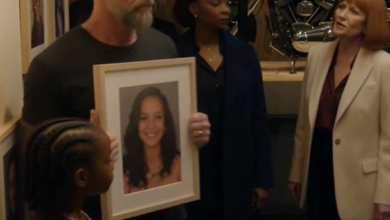
She remembered which night Leon brought the light home. She’d stopped on the stairs and wondered who was coming to the back door. He threw one beam across the tread just before she got there and asked if he’d been shining it in the right place. It was an old yard habit; he thought about the next person’s steps before the next person knew they were going anywhere. Now she could see the paint on those treads wearing away in the hall. She offered to bring a photograph to the station if they wanted one that showed what he looked like when he was busy listening.
After the call Raymond pulled a chair toward the work area so Noah could rest his elbows without moving the stand. There was room to draw a second platform behind the first. Noah took one look at the space and asked if he could leave it empty until the event people told the adults where a person should go if they wanted to watch some cars without riding them. Raymond agreed. He left the pencil in the space because he thought Noah might need it for something when he came back from asking.
Noah came to Raymond’s shop because he’d figured out how to put the three train wheels back on a stand without getting glue on their faces. He hadn’t set the layout in the case yet. He wanted first to turn the stand around and reproduce the platform at the point where Glen had said to put the display. Raymond got a picture of the floor plan from Noah’s father. Noah held it open while he measured the model. Raymond sat back on the floor himself when the boy told him the old man was standing over the place the children had waited.
One of the lights in the workroom was slow to come on. Raymond took the flashlight out and felt the worn patch where Leon used to set one finger. Noah asked if he could move it just to the inside of the station wall. He had cut a place for it in the model without expecting he would be able to use the real thing that day.
Part 6
Mae described the platform at the hearing, using the rule that a line is there for everybody who might be watching anyone else. People at an awards show watch phones or their grandchildren. She had expected them to stay behind the barrier. After she asked twice for it back, she’d pulled another volunteer up to keep people inside the sliding doors when the crowd moved. That got most of them out of the place the coach approached after she saw it roll. The current incident report was her own. She attached the dispatcher’s log and the pending hold that was still open.
Lila told the board the photographer could have used some of the usable angles on her rough diagram. Her original email said so. She had asked for ten minutes to see what it would look like in the afternoon and Glen had replied that he had solved it. She understood now what his solution cost somebody else’s platform attendant. She sent that reply on to the person chairing the meeting and waited quietly while it came through on the desk screen.
Glen tried the defense that nobody had been injured and that any real movement was too small for a child to see. Oliver said the size the movement had been on the first pass mattered less than whether anyone still had to get clearance to be there. An equipment specialist confirmed the coach moved before the crew secured it. He explained that the plan had a playable display separated from the tracks because there was an active concern. He said he wished the notice had been posted where every teacher could see it without asking why somebody else’s paperwork wasn’t complete yet.
Noah’s father helped carry in the little glass case. Noah opened it and asked the board to wait while he brought up the two painted blue figures. He set them behind the miniature table, exactly where he’d been told to stand. Then he added the two thin pieces of wood he used to make the model of the original barrier. They went behind him, outside the cleared part of the real platform shown by the maintenance plan. The council member who thought they were discussing a handspan of space sat closer and asked Noah to repeat which of those two placements he and the other children got.
“The one without the fence,” he said.
Glen lost responsibility for events. The station halted public platform programs until the rail staff could sign them off and set the boundary. The hold records were placed where the event volunteers would see who could open a public area. The final report set aside the claim that Raymond damaged the model. Noah’s father asked if they could take their intact case home by the main steps. Nolan held both doors for them while they passed.
Noah came back when he remembered the miniature barrier he’d left on the board table. On the last step he turned around to ask Raymond what color the inside of Leon’s old lantern used to look like when it came up.
Part 7
The station’s board created a platform training day named for Leon after his widow said yes. She asked Raymond to come to the first one and put the flashlight on the table if the light still worked. A novice pointed it down toward the empty floor before she learned it was part of what she’d be explaining to the guests who led school groups. He watched her change the angle a little and find which strips showed through cleanest under the waiting room light.
They moved the model awards inside. Photography put the real car in the background at a distance, through the window on the far side of the station. From there nobody needed a paint mark to tell which side people could stand on. Mae offered the first microphone to Nolan. He said he still wanted to get a bit of practice talking in front of people. Lila let him pick a corner to take a picture after he finished. The nearest group of grandparents made space for his lenses while Noah finished looking at the two blue figures.
Raymond had an unobtrusive chair near the model tables. He’d moved it around six times until it looked as if it didn’t have anybody’s name on it. After his award, Noah sat in the empty space beside him for long enough to get his father to turn the case around. From the front, the last little car was dark. From the side, it had a single window with a piece of yellow paper behind it.
Noah kept a second wooden car in his jacket pocket. He could feel its rough back when Raymond held the flashlight at their feet. He said he’d decided to make a place to keep one other thing in the saddlebag, if Raymond wanted to bring it home and see whether it worked on any road.
Part 8
The gift was a short wooden coach with one warm rectangle showing through the side. It had been sanded flat underneath, so Raymond could set it on the garage bench without a track. Noah had put a little groove across the top that would hold the flashlight where he could see both evenings at once, the small one and the real one.
“Leon used to point his light at the next person’s feet,” Raymond said. “There’s still somebody behind me.”
“Did he go first all the time?” Noah asked.
“Whenever somebody had to carry an extra thing.”
Raymond tried the flashlight in its new place and found they could turn it by an easy inch. It lit up the stairs on the other half of the model, where the passengers needed to go in if they came past the little blue figures. Noah left the two chairs in the spot that showed, just beyond the edge of the light. He said somebody could use one and still see who else the train was bringing.
When Raymond went out to the motorcycle he set the two things in the saddlebag beside an old scarf without closing it at once. He liked seeing them together in the fading station light. Then he took one hand off the lid, brought the flashlight out again, and held the beam across the bottom step while Noah helped his father carry the case down.
Follow the page for more stories about the people who make sure everyone gets back safely.