He Gave an Elderly Stranger His Own Shoes—Then Turned Back and Became Part of His Life
Jordan Hope could have become known for one brief act: taking off his own shoes and giving them to an older man whose footwear was failing him. Someone nearby recorded the encounter, and the images traveled far beyond the parking lot where it happened.
The more revealing part of the story came after Jordan drove away. He turned back, found the man again, and began learning more about the life behind the need he had first noticed.
By the time the two shared a meal, the afternoon had become the beginning of a relationship. Jordan was helping someone who had recently lost his wife, and the older man had gained a younger person willing to keep showing up.
An interrupted trip to the bank
Jordan was eighteen when he spoke about the encounter in interviews published in October 2026. A recent high school graduate in the Maricopa area, he was developing his own computer-building business and was on his way to deposit money.
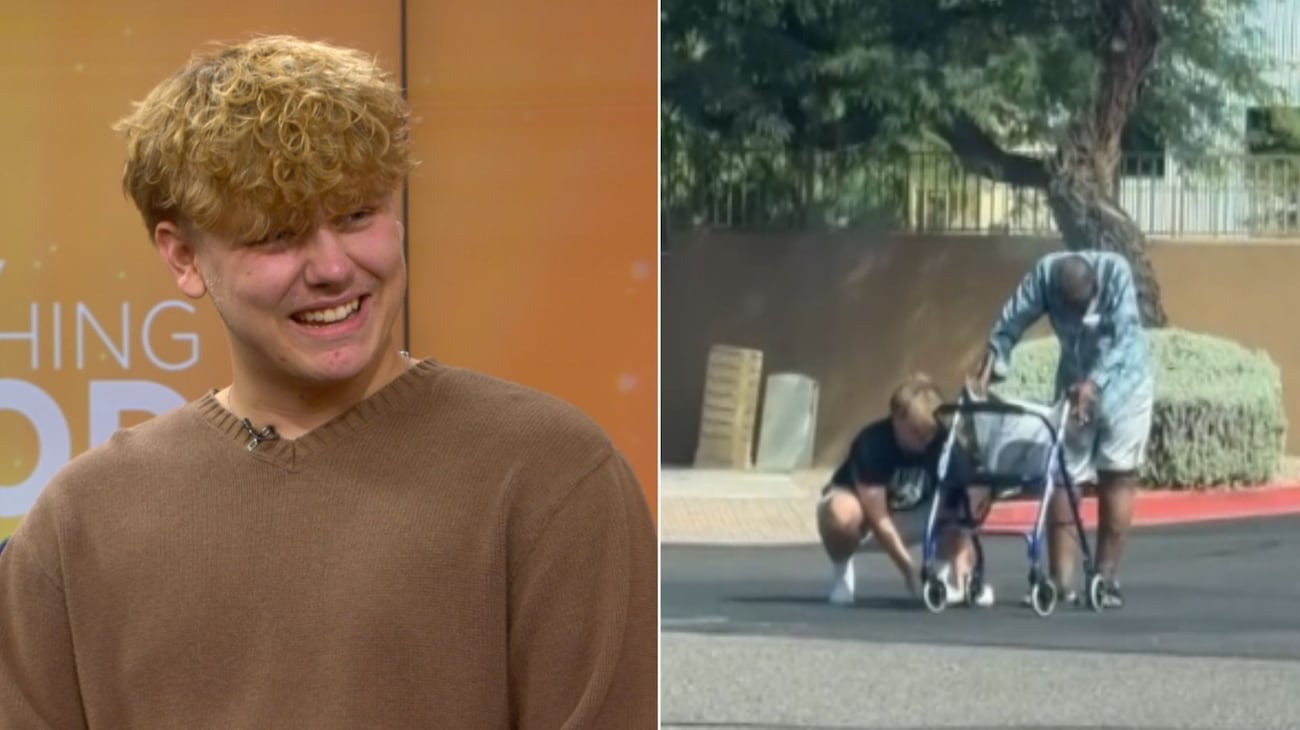
Near a Walgreens, he saw an elderly man using a walker. His footwear was in such poor condition that it was barely staying on his feet.
Jordan stopped. He offered the shoes he was wearing and helped the man put them on.
There was no camera being held out by Jordan to document his own gesture. Yareli Madrid observed it from nearby and shared what she had seen. Her post drew attention to the young man, and people who recognized him helped the story make its way back to him.
That distinction is a small but significant part of the reporting. Jordan’s awareness of an audience came later. The person he was responding to in that moment was the man in front of him.
The reason he returned
Jordan left, but he did not consider the encounter finished. He went back and found the man inside Walgreens, trying to buy candy. Jordan paid for it.
The conversation also revealed that Mr. Roy had recently lost his wife. In the accounts Jordan gave, that information changed his understanding of the afternoon.
The need in the parking lot had been visible: an older person trying to move around with inadequate footwear. Grief was less visible. It emerged because Jordan returned and stayed long enough to speak with him.
When Jordan later explained why he turned around, he spoke about his faith. He described feeling prompted to return. The encounter had stayed with him after he left the parking lot, and going back gave him a chance to learn what else the older man needed.
He also spoke plainly about companionship. He thought the man needed a friend.
Finding a way to lunch
Jordan offered to take Mr. Roy to Culver’s. That introduced a practical problem: the older man had difficulty getting into Jordan’s car because of severe swelling in his legs, according to the local report.
The invitation could have ended there. Instead, Jordan arranged a rideshare, met him at the restaurant, and picked up the food.
That was the development after the parking-lot footage: the help required another decision, then another. A pair of shoes did not solve transportation, and a meal did not remove the recent loss the man was living with.
Jordan followed him home afterward and stayed to talk.
Finding a workable ride allowed the invitation to become an actual meal. Afterward, the visit continued at Mr. Roy’s home. Jordan had first approached a stranger because he needed shoes; now he was giving him something that required more than an object handed over in a parking lot. He was giving him time.
What the camera could not follow
The original footage gave viewers a clear image of assistance. Jordan was bent down beside a man and his walker, doing something specific with his hands.
That kind of picture is powerful because the action is immediately recognizable. It also captures only a small part of the relationship that later reporting described.
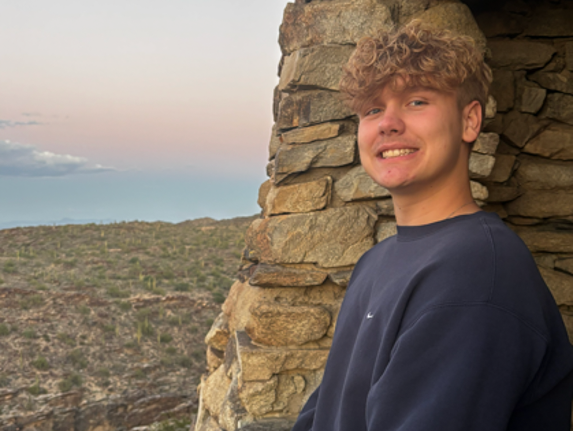
Jordan told interviewers that he had stayed in touch. The local account reported regular phone contact; in another interview he talked about the possibility of spending more time together, including meals and church.
In those October interviews, Jordan’s thoughts kept returning to what they could do next. Phone calls offered one way to stay connected. Meals and the possibility of going to church together offered others, extending the companionship that had begun during that first afternoon.
A new friendship takes shape through ordinary opportunities to talk and spend time together. For these two men, the first of those opportunities had opened because Jordan noticed a practical problem and stopped.
Help that reached other people
A fundraiser was also created for Mr. Roy’s practical expenses. Contemporary reports described growing support for groceries and other needs.
The totals changed as people contributed, so the central fact is the purpose: people who saw the encounter wanted to provide support beyond the shoes Jordan had offered himself.
Public attention can turn a private interaction into something difficult to measure. It can also make a real need visible. In this case, the reporting followed a teenager who was surprised to learn he had been filmed and an older man whose recent bereavement emerged only through a longer conversation.
Mr. Roy remains more than the person receiving the shoes. He was making his way through the day, trying to do things for himself, and dealing with the absence of his wife. Jordan’s later comments recognized that independence alongside the offer of help.
The decision after the good deed
The first decision was immediate: stop and offer footwear that could help. The later decisions required time. Return to the store. Arrange another way to travel. Follow through on the meal. Stay to talk. Call again.
Together, those actions explain why the story grew beyond a short viral clip. Jordan did not have to understand every part of Mr. Roy’s circumstances before being useful. He learned more by remaining present.
The photograph still holds its original meaning, a young man kneeling beside an older stranger. The fuller account adds the afternoon after it—and the beginning of a friendship neither man could have seen in a passing glance from a car.
Reporting sources
- Arizona’s Family — direct reporting, October 8, 2026
- Air1 — interview with Jordan, October 18, 2026
- Gray / KPHO — local report and interview