He Was Born Missing Most of His Skin — Ja’bari Gray’s Journey Continued Long After Homecoming
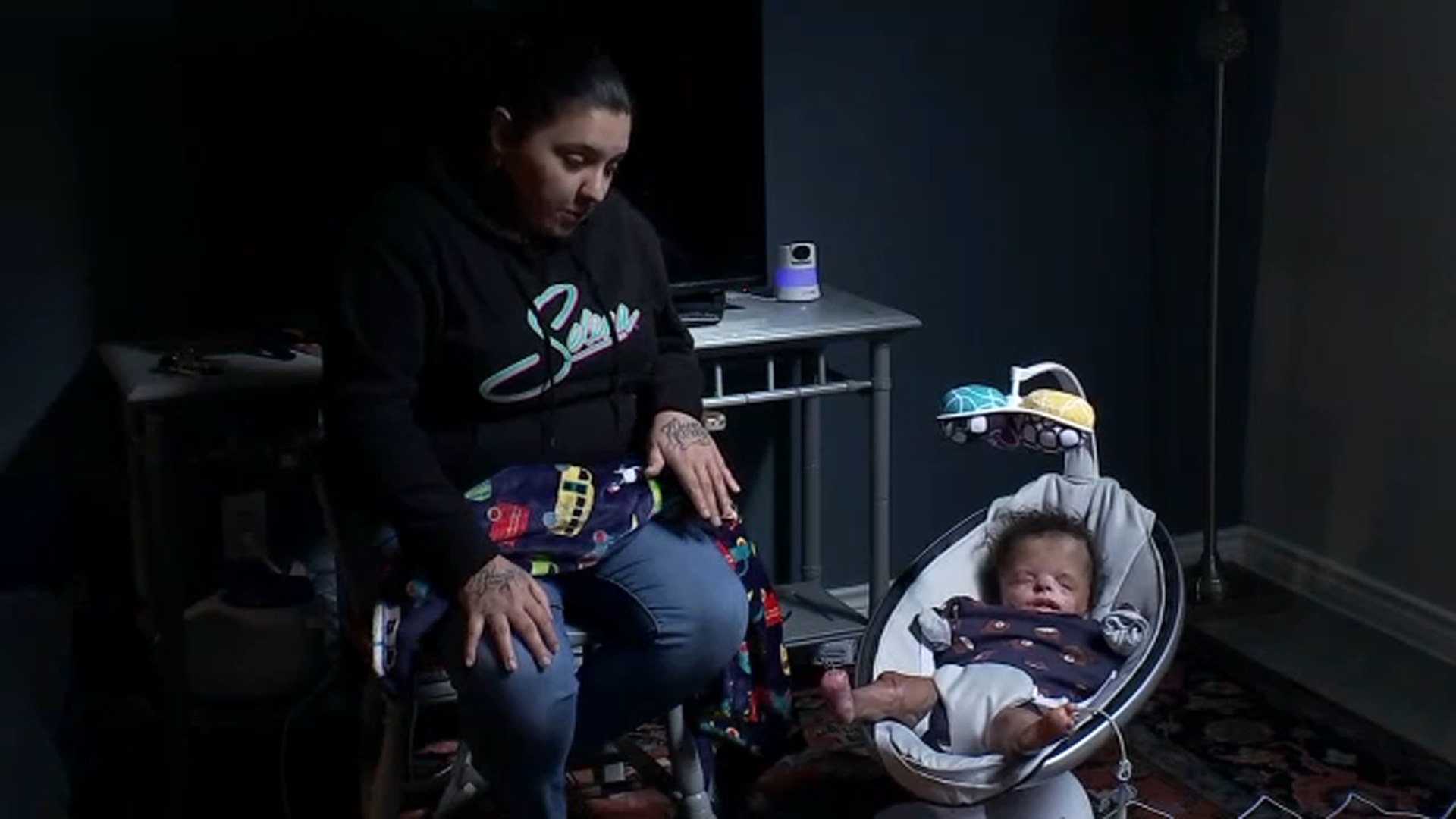
The photographs tell two chapters of a childhood: a baby finally at home after months in the hospital, and a mother holding her son years later. Between those images lies a part of Ja’bari Gray’s story that a startling headline cannot contain. Getting home was a major milestone. Growing up still required care, patience, and room for uncertainty.
Ja’bari was born in San Antonio on January 1, 2019, missing most of his skin. His condition attracted international attention, but this account follows specific, documented milestones from 2019 through January 2023. Those dates matter. A photograph from his first year cannot tell us his present medical condition, and a hopeful birthday interview cannot establish that treatment has ended.
A beginning no family could prepare for
His mother, Priscilla Maldonado, told local reporters that prenatal examinations had not revealed what the family would face after delivery. The newborn’s medical needs were complex. Along with the extensive areas of missing skin, parts of his body were fused together. Early coverage used possible diagnostic labels, but later reporting described an unresolved condition rather than a settled explanation.
That distinction deserves care. Families can spend years seeking a name for what is happening to their child. An early suggestion can remain attached to a story online even after specialists have reconsidered it. Here, the reliable path is to describe the reported findings and procedures, while leaving the diagnosis to his medical team. A rare appearance does not give an outside observer enough information to identify a disease.
A hospital team tried a different approach
Ja’bari’s care moved to Texas Children’s Hospital in Houston in April 2019. A hospital statement, carried by FOX 26, documented a significant procedure on May 24: surgeons placed fragile grafts grown from his own skin cells over exposed wounds. The goal was wound closure, with continuing care required during recovery. It was an important intervention, rather than a promise that every difficulty would disappear.
The treatment also helps explain why the word “skin” represents much more than appearance in this story. The team was addressing exposed areas of a baby’s body, not making a cosmetic change. Their stated goal was practical and immediate. For readers following from afar, understanding that purpose is more useful than turning the procedure into a dramatic claim of an instant cure.
The first journey home
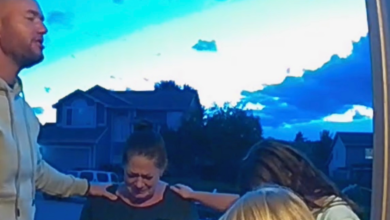
In November 2019, Ja’bari left the hospital and went home with his family. The San Antonio Express-News dated his discharge to November 13. The moment came after a first year dominated by medical treatment. Homecoming coverage showed a little boy whose life was beginning to include ordinary domestic surroundings as well as the equipment and arrangements his care required.
There is something deeply moving about that change of setting. Hospitals organize life around treatment; a home can also hold siblings, familiar voices, and a family’s own rhythms. That observation does not minimize what clinicians do. It recognizes why a discharge can carry such emotional weight even when medical support remains essential. The destination matters because the child belongs to a family, not simply to a case history.
For a reader, the temptation is to end the account at the doorway. A baby has survived, a family is reunited at home, and the story appears complete. Yet discharge and recovery are different milestones. Leaving a hospital can change where care happens without removing the need for it. Ja’bari’s later coverage makes that continuing chapter impossible to overlook.
A fourth birthday, with challenges still ahead
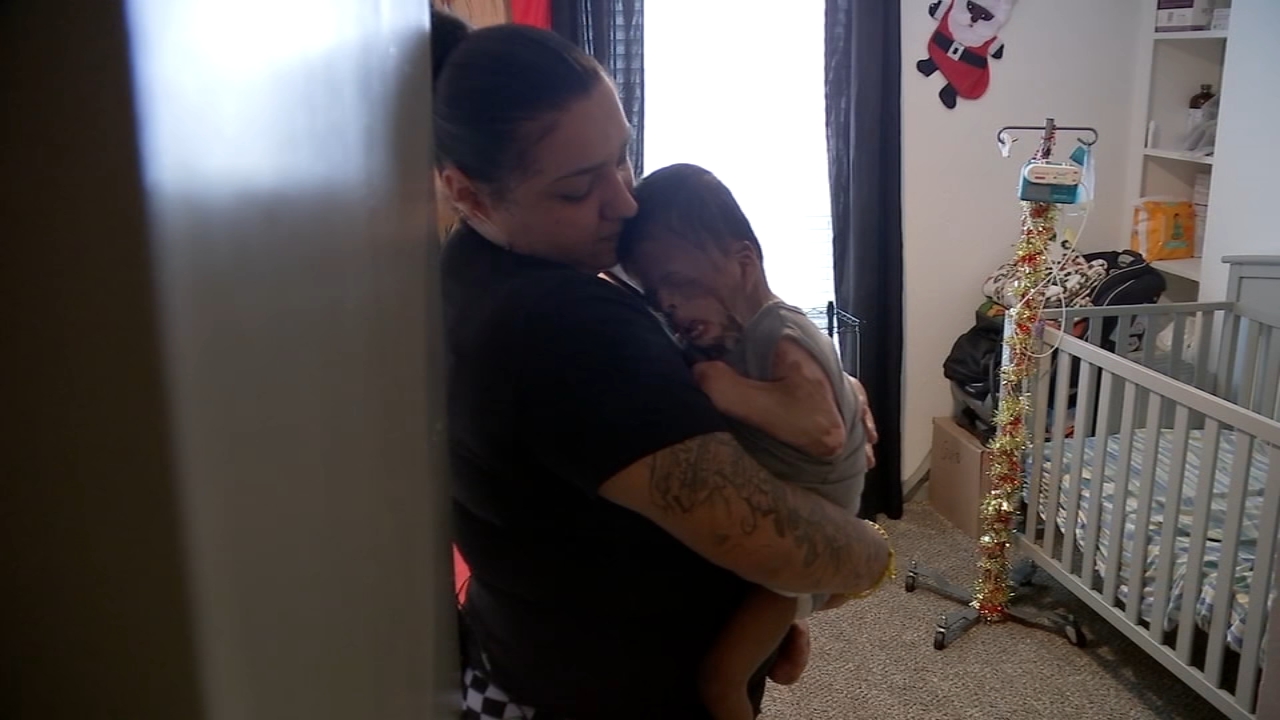
ABC13 returned to his story in January 2023, when his mother described his personality and interactions with family. He had turned four on New Year’s Day. The interview also made clear that significant difficulties persisted, including restricted movement associated with areas of fused skin. Further procedures were being planned at that time. Their eventual outcomes are not established by that interview.
A birthday update can hold joy and unresolved questions together. It need not choose between celebrating a child and acknowledging disability. A laugh, an exchange with a sibling, or a parent’s affectionate description belongs in the record alongside operations and appointments. Those details help restore proportion: medical challenges shape a life, but they do not exhaust everything there is to say about the person living it.
Seeing the child beyond the unusual photograph
Stories about children with visible differences invite an important choice from the audience. We can stop at surprise, or we can become more attentive. The second response asks what the family has actually said, respects the limits of a public update, and avoids treating a child’s image as a puzzle to solve. Curiosity can open the door; consideration determines what happens after we walk through it.
Support also means allowing a family’s story to remain unfinished. There is no need to claim that love replaced medical treatment, that every prognosis was wrong, or that another operation must succeed. Affection and skilled care can matter profoundly without offering guarantees. A truthful account has space for the work of clinicians and the persistence of relatives, while recognizing how much remains private.
The two dated photographs in this article offer a way to remember that. One documents a homecoming; another accompanies a later chapter of childhood. Neither should be used as a current medical bulletin. Together, they invite us to look beyond the first shocking description and acknowledge time passing in a family’s life.
Ja’bari’s documented journey through early 2023 is meaningful without an invented final resolution. The first trip home and the fourth birthday were real milestones. So was the care that continued around them. His story asks for more than a moment of astonishment: it asks us to remember the child, his family, and the ordinary belonging that matters throughout an extraordinary medical journey.
Reporting sources
- ABC13 — homecoming, November 16, 2019
- ABC13 — fourth birthday, January 3, 2023
- FOX 26 — hospital statement on May 24, 2019 graft surgery
- San Antonio Express-News — discharge, November 13, 2019